
Shaving has been an important part of men’s grooming for centuries, and the tools used to shave have changed significantly over time. The history of men’s razors dates back to ancient civilizations, when men used whetstones and bronze blades. For example, the Egyptians used copper razors as early as 3000 BC, reflecting the importance of personal grooming in their culture.
Over time, razor designs and materials have also improved. The advent of the straight razor in the 17th century marked a major advancement. These razors were usually made of high-quality steel and required skill and precision to use effectively. Men would often go to a barbershop for a professional shave, as straight razors require a steady hand and experience.
The 20th century saw the introduction of the safety razor, invented by King Kemp Gillette in 1901. This innovation made shaving safer and more convenient for the average male. Safety razors came with guards that reduced the risk of cuts and nicks, allowing men to shave at home with confidence. Disposable razor blades became popular, bringing the convenience we enjoy today.
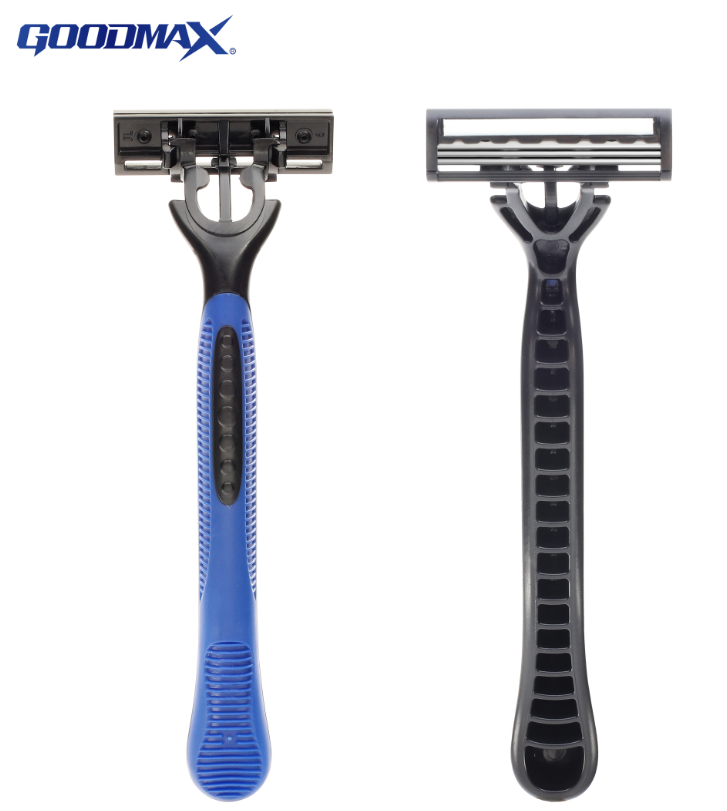
In recent years, the market has seen a surge in multi-blade razors, with brands such as Gillette and Comfort leading the trend. These razors typically have three to five blades, which reduce irritation and provide a closer shave. In addition, technological advances have led to the development of electric razors, which offer a fast and effective alternative to traditional shaving methods.
Today, men have a wide variety of choices when it comes to razors, from classic straight razors to high-tech electric razors. Each razor has its own pros and cons, and suits different preferences and skin types. As grooming continues to evolve, razors remain an integral part of a man’s personal care routine, embodying both tradition and innovation.
Post time: Feb-26-2025